Disinfection is a critical practice in maintaining a 清潔公司報價 healthy environment, especially in settings where the risk of infection is high. From hospitals to homes, effective disinfection helps to eliminate harmful microorganisms that can cause illness. This article explores the essential aspects of disinfection, including the various methods, key considerations, and best practices to ensure that surfaces and environments are thoroughly sanitized.
Disinfection differs from cleaning in that it specifically targets and kills pathogens rather than just removing dirt and grime. The choice of disinfectant is vital, as different products have varying effectiveness against different types of microorganisms. Common disinfectants include chlorine bleach, alcohol-based solutions, and hydrogen peroxide. For instance, chlorine bleach is highly effective against a broad spectrum of bacteria and viruses, but its use can be limited by its corrosive nature and strong odor. Alcohol-based disinfectants, on the other hand, are favored for their rapid evaporation and ability to disinfect without leaving residues, making them ideal for electronic devices and high-touch areas.
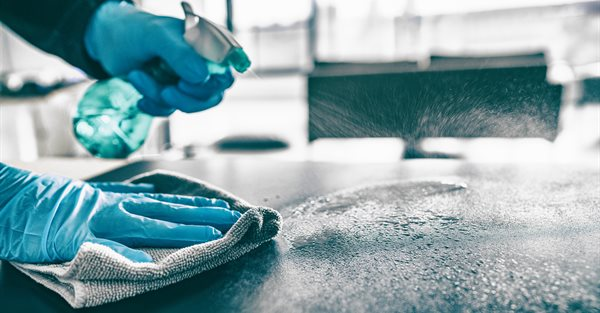
The method of application greatly influences the success of disinfection. Two primary techniques are spraying and wiping. Spraying allows for even coverage, which is beneficial for large surfaces, but it may not always reach into crevices effectively. Wiping, while more hands-on, ensures that disinfectants come into direct contact with the surface, which can be particularly useful for intricate or high-touch areas. Regardless of the method chosen, it is essential to follow the manufacturer’s instructions regarding the concentration of the disinfectant and the duration it needs to remain on the surface to be effective. This “dwell time” is crucial, as it allows the disinfectant to work properly and kill the pathogens.
Timing and frequency of disinfection are also critical factors. Most disinfectants require a specific period to be effective, known as the dwell time. This time can vary from a few minutes to longer, depending on the product used. Regular disinfection is particularly important in high-touch areas such as doorknobs, elevator buttons, and countertops, which are frequently exposed to contaminants. Establishing a routine cleaning and disinfection schedule helps in minimizing the risk of infection, especially in environments where people gather or work closely together. It is also important to clean surfaces before applying disinfectants, as dirt and organic matter can reduce their effectiveness.
Proper training and awareness are essential for effective disinfection. Ensuring that individuals responsible for disinfection understand the correct procedures and the importance of following them can greatly enhance the overall efficacy. This includes knowing the correct dilution ratios, application methods, and safety precautions. Personal protective equipment, such as gloves and masks, should be used to prevent exposure to potentially harmful chemicals and to ensure a safe disinfection process.
In conclusion, mastering the fundamentals of disinfection is essential for maintaining a safe and healthy environment. By selecting the appropriate disinfectants, applying them correctly, and adhering to recommended timings, individuals and organizations can effectively reduce the risk of pathogen transmission. Regular and thorough disinfection, combined with proper training and safety measures, plays a crucial role in safeguarding public health and ensuring clean and safe spaces. As awareness and practices continue to evolve, staying informed about the best disinfection practices remains a key component of effective health management.