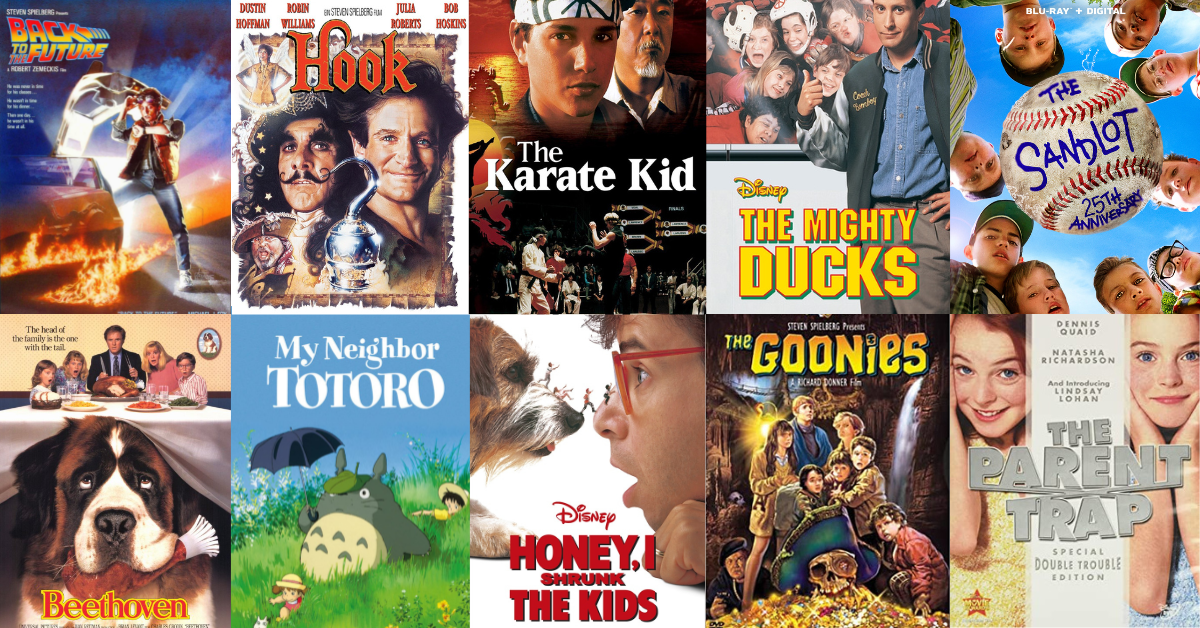
Movies have captivated audiences for over a century, evolving from silent black-and-white frames to immersive digital experiences that transport viewers to new worlds. The film industry has undergone significant transformations ดูหนังออนไลน์ฟรี , adapting to technological advancements and shifting audience preferences. From the earliest experiments with moving images to the rise of Hollywood blockbusters and the advent of streaming services, the evolution of movies is a fascinating journey that reflects societal changes, artistic innovations, and technological breakthroughs.
The Birth of Cinema
The history of movies dates back to the late 19th century when pioneers like Thomas Edison and the Lumière brothers experimented with moving images. The first films were short, silent clips that showcased everyday life, such as workers leaving a factory or a train arriving at a station. These early films, though rudimentary, sparked public curiosity and laid the groundwork for the development of narrative cinema.
One of the most influential films of this era was The Great Train Robbery (1903), directed by Edwin S. Porter. It was one of the first movies to use editing techniques, such as cross-cutting, to create a sense of suspense. This period also saw the rise of silent film stars like Charlie Chaplin, Buster Keaton, and Mary Pickford, who brought humor, drama, and emotion to the screen without spoken dialogue.
The Golden Age of Hollywood
The late 1920s ushered in the era of sound in movies, known as “talkies. ” The release of The Jazz Singer (1927), the first feature-length film with synchronized dialogue, revolutionized the industry. Hollywood quickly became the epicenter of filmmaking, producing classics that defined the Golden Age of cinema.
During the 1930s and 1940s, studios such as MGM, Warner Bros., and Paramount Pictures dominated the industry. Iconic films like Gone with the Wind (1939), Casablanca (1942), and Citizen Kane (1941) set new storytelling and cinematographic standards. Genres like film noir, musicals, and westerns flourished, and legendary directors like Alfred Hitchcock and Orson Welles pioneered innovative techniques that influenced generations of filmmakers.
The New Hollywood Era and Blockbuster Revolution
By the 1960s and 1970s, the film industry underwent another transformation with the rise of the “New Hollywood” movement. Young directors such as Martin Scorsese, Steven Spielberg, and Francis Ford Coppola introduced grittier, more experimental storytelling that reflected the countercultural spirit of the time. Films like The Godfather (1972), Taxi Driver (1976), and Jaws (1975) broke traditional Hollywood formulas, embracing darker themes and more complex characters.
The late 1970s and 1980s saw the rise of the modern blockbuster, thanks in large part to the success of Star Wars (1977). George Lucas’ space epic revolutionized visual effects and merchandising, turning movies into cultural phenomena. The success of franchises like Indiana Jones, E. T. the Extra-Terrestrial (1982), and Back to the Future (1985) cemented Hollywood’s focus on high-budget, spectacle-driven films that appealed to global audiences.
The Digital Age and the Rise of CGI
The 1990s and early 2000s saw rapid advancements in computer-generated imagery (CGI), allowing filmmakers to create previously unimaginable worlds. Movies like Jurassic Park (1993), The Matrix (1999), and The Lord of the Rings trilogy (2001-2003) pushed the boundaries of special effects, blending live-action with digital animation seamlessly.
Animated films also reached new heights with Pixar’s pioneering work in CGI animation, beginning with Toy Story (1995). This era also saw the emergence of superhero movies as a dominant genre, with Marvel and DC Comics bringing beloved characters to the big screen through franchises like X-Men (2000), Spider-Man (2002), and later, the Marvel Cinematic Universe (MCU), starting with Iron Man (2008).
The Streaming Revolution and the Future of Cinema
The 2010s and beyond have been defined by the rise of streaming services like Netflix, Amazon Prime, and Disney+. The convenience of on-demand viewing has reshaped audience habits, leading to a decline in traditional movie theater attendance. Streaming platforms have also become major players in film production, funding critically acclaimed projects like Roma (2018), The Irishman (2019), and Don’t Look Up (2021).
While streaming has expanded access to diverse content, it has also sparked debates about the future of theatrical releases. Filmmakers like Christopher Nolan and Quentin Tarantino have championed the cinematic experience, emphasizing the unique magic of watching movies on the big screen.
The future of movies will likely continue to evolve with advancements in virtual reality (VR), augmented reality (AR), and artificial intelligence (AI)-driven storytelling. As technology progresses, filmmakers will have even more tools to craft immersive narratives that push the boundaries of creativity.
Conclusion
Movies have come a long way since their humble beginnings, transforming into a powerful medium that entertains, educates, and inspires. From silent films to streaming services, each era of cinema has introduced new innovations that redefine storytelling and visual artistry. Whether viewed in a grand theater or on a personal device, movies remain an integral part of global culture, continuously evolving to reflect the dreams, fears, and imaginations of audiences worldwide.