In the contemporary business environment, hr softwarethe evolution of Human resources (HR) systems has brought about a profound transformation in workforce management. Traditional HR practices, characterized by manual processes and fragmented systems, have given way to integrated, cloud-based solutions that streamline operations and enhance strategic decision-making. These modern HR systems are not just about efficiency—they are pivotal in aligning HR functions with broader organizational goals, thus driving overall business success.
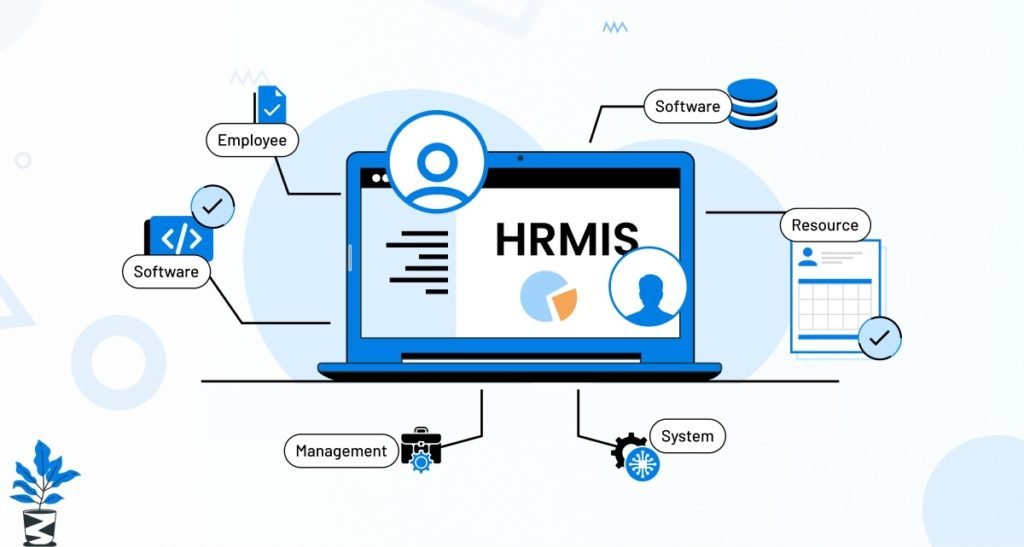
Historically, HR departments were bogged down by tedious administrative tasks such as payroll processing and employee record management. These tasks were often performed using manual methods or outdated software, leading to inefficiencies and a higher likelihood of errors. The introduction of digital HR systems marked a significant shift, automating routine tasks and reducing the administrative burden. This allowed HR professionals to focus more on strategic initiatives rather than being preoccupied with day-to-day operational issues.
The rise of cloud-based HR systems represents a major advancement in HR technology. Unlike traditional on-premises solutions, cloud-based systems offer the advantage of accessibility from any location, fostering greater flexibility and collaboration. These systems integrate various HR functions—such as recruitment, performance management, and benefits administration—into a single platform. This integration not only improves operational efficiency but also provides real-time data and analytics, enabling HR professionals to make informed decisions and respond quickly to changing organizational needs.
One of the most significant innovations in modern HR systems is the incorporation of advanced analytics and artificial intelligence (AI). These technologies provide HR departments with powerful tools for data-driven decision-making. For example, predictive analytics can identify trends and potential issues, such as employee turnover risks, allowing organizations to implement proactive measures. AI-driven tools can streamline recruitment by automating candidate screening and matching, thereby speeding up the hiring process and improving the quality of hires. These capabilities enhance HR’s role as a strategic partner in driving organizational performance.
Despite their numerous benefits, the implementation of modern HR systems does come with challenges. Data security is a primary concern, as these systems handle sensitive employee information. Organizations must ensure robust security measures and compliance with data protection regulations to prevent breaches. Additionally, transitioning to a new HR system requires careful planning, including employee training and change management, to ensure a smooth integration process. Addressing these challenges effectively is crucial for maximizing the benefits of modern HR technology.
In summary, modern HR systems have revolutionized workforce management by automating administrative tasks, providing real-time data, and integrating advanced technologies such as analytics and AI. These systems not only enhance operational efficiency but also enable HR departments to play a more strategic role in driving business success. While challenges related to data security and system implementation must be navigated carefully, the advantages of adopting modern HR technology are significant. As organizations continue to adapt to a rapidly changing business landscape, the role of sophisticated HR systems will remain central to achieving organizational goals and maintaining a competitive edge.