In the digital age, regulatory technology—commonly known as RegTech—has emerged as a transformative force for organizations kyc company grappling with complex compliance requirements. RegTech integrates innovative technologies to streamline regulatory processes, offering solutions that enhance efficiency, accuracy, and transparency. As businesses face mounting regulatory demands and increasing scrutiny, RegTech provides a modern approach to managing compliance and mitigating risks. This article examines how RegTech is reshaping the landscape of regulatory compliance and the advantages it offers to enterprises and regulators alike.
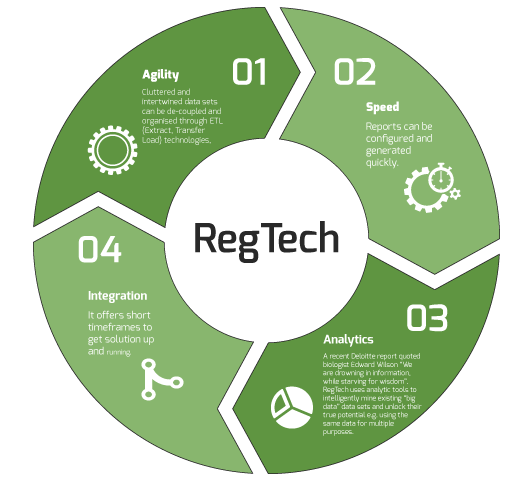
A major benefit of RegTech is its ability to automate tedious and error-prone compliance tasks. Traditional compliance processes often involve substantial manual effort, including data collection, analysis, and reporting. RegTech leverages artificial intelligence (AI), machine learning, and data analytics to automate these processes, significantly reducing the risk of human error. For example, AI-driven tools can sift through large volumes of financial transactions to identify anomalies or potential violations in real time. This automation not only improves accuracy but also accelerates the compliance process, allowing organizations to focus on strategic initiatives rather than administrative tasks.
RegTech also plays a crucial role in enhancing regulatory reporting and documentation. Compliance often requires detailed and timely reporting to meet regulatory standards, a task that can be overwhelming without the right tools. RegTech solutions offer platforms that automate the generation and submission of regulatory reports, ensuring that all required information is accurately captured and presented. This automation minimizes the risk of errors and delays, reducing the likelihood of facing fines or sanctions. Additionally, RegTech platforms provide real-time updates on regulatory changes, helping organizations adapt quickly to evolving requirements.
Transparency and accountability are further strengthened through the use of RegTech. Advanced monitoring and analytics tools provide organizations with greater visibility into their compliance activities and risk management practices. By offering real-time insights and detailed audit trails, RegTech enables businesses to proactively identify and address compliance issues before they become problematic. This enhanced transparency not only supports better internal controls but also builds trust with regulatory authorities by demonstrating a commitment to maintaining high standards of compliance.
Despite its advantages, the integration of RegTech into existing compliance frameworks can pose challenges. Implementing new technologies requires a substantial investment of time and resources, and organizations must ensure that their RegTech solutions are compatible with their existing systems. Moreover, as regulatory environments and technology continue to evolve, RegTech solutions must be continually updated to address new risks and regulatory changes. Organizations must carefully evaluate their RegTech options to ensure they meet their specific needs and long-term goals, balancing the benefits against the costs of implementation.
In conclusion, RegTech represents a significant advancement in regulatory compliance and risk management. By automating and optimizing compliance processes, RegTech offers organizations enhanced efficiency, accuracy, and transparency. As regulatory demands become more complex, embracing RegTech provides a strategic advantage, helping businesses navigate the evolving landscape with greater ease and confidence. The integration of RegTech into compliance frameworks not only supports better regulatory adherence but also positions organizations for sustained success in a highly regulated and dynamic environment.