Autism Spectrum Disorder (ASD) is a developmental condition characterized by a range of challenges involving communication, social interaction, and 自閉症 behavior. The term “spectrum” highlights the diversity in how autism manifests, with some individuals experiencing mild symptoms while others may require more comprehensive support. Understanding this diversity is crucial to recognizing that there is no one-size-fits-all approach to supporting those on the spectrum. While autism presents unique challenges, it also brings distinct strengths, such as strong attention to detail, deep focus, and creative problem-solving abilities.
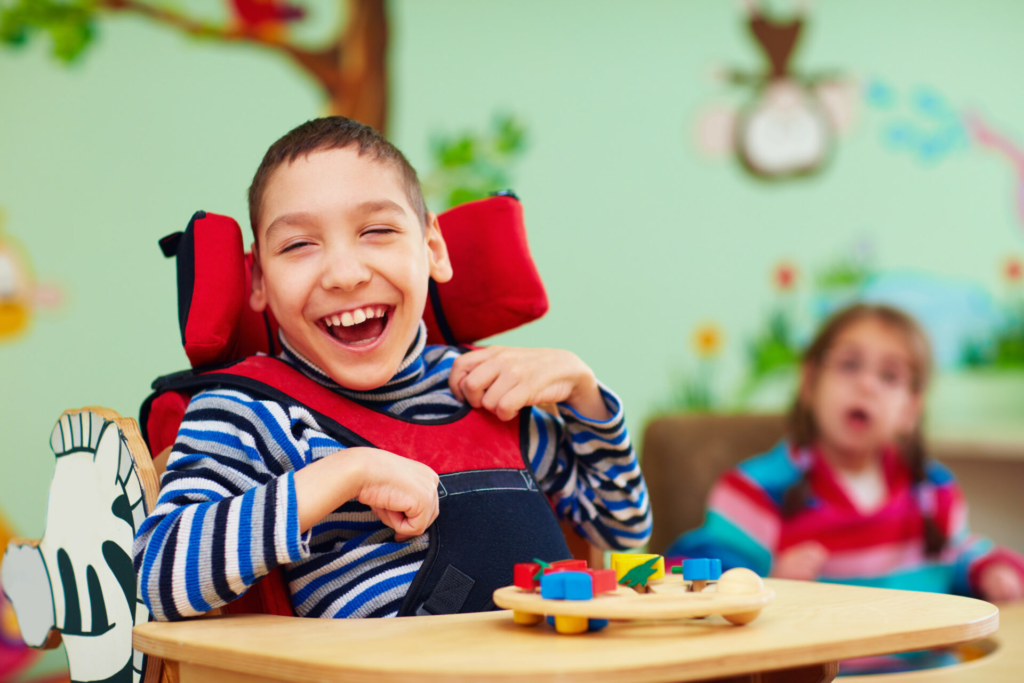
Early identification of autism is critical for effective support. Early signs often include delayed speech, limited eye contact, and repetitive behaviors, prompting caregivers to seek a formal assessment. Timely intervention can make a significant difference in an autistic child’s development. Therapies like speech and occupational therapy are commonly used to build communication skills and adaptive behaviors. Early intervention programs that cater to the child’s specific needs lay a foundation for long-term growth, helping them build confidence and independence. However, it is essential that interventions are respectful of the individual’s differences, focusing on nurturing their strengths instead of attempting to force conformity.
Education for autistic individuals requires a tailored approach that considers both academic and social development. Many schools are now embracing inclusive education models, where students with autism learn alongside their neurotypical peers with appropriate support structures in place. Personalized education plans (IEPs) are crucial for addressing the unique needs of each student, ensuring they receive the right accommodations and learning strategies. Creating sensory-friendly environments and offering flexible learning options also contribute to a more inclusive setting. The role of educators and peers in fostering a welcoming and understanding environment cannot be underestimated, as positive social interactions can have a lasting impact on the well-being of autistic students.
Transitioning into adulthood is a significant milestone for individuals with autism. Challenges such as finding employment and living independently often become more pronounced during this stage. Employment programs specifically designed for autistic adults are gaining traction, focusing on matching their skills with suitable job roles. Companies that value neurodiversity often benefit from the innovative perspectives that autistic employees bring to the table. Additionally, providing ongoing support, mentorship, and workplace adjustments helps ensure that these individuals can succeed and thrive in their professional lives. Support systems that extend beyond childhood are vital for enabling autistic adults to lead fulfilling, independent lives.
Ultimately, fostering acceptance and understanding of autism in society is key to building a more inclusive world. This involves raising awareness about autism’s complexities and encouraging empathy toward those on the spectrum. By appreciating the unique perspectives that autistic individuals offer, we can challenge outdated stereotypes and replace them with a culture of respect and inclusion. Promoting community programs, resources, and public education initiatives helps to bridge gaps in understanding. By focusing on strengths, offering compassionate support, and ensuring equal opportunities, society can create an environment where autistic individuals are not just included but celebrated for their contributions.