The mandatory Provident Fund (MPF) system in Hong Kong is a cornerstone of the retirement savings framework, designed to ensure that employees mpf 比較 accumulate sufficient funds for their retirement years. A significant component of the MPF system is the range of index funds available to investors. These funds track specific market indices, providing a way to invest in a diversified portfolio of stocks or other assets. Understanding MPF index performance is crucial for investors seeking to maximize their returns and achieve long-term financial security.
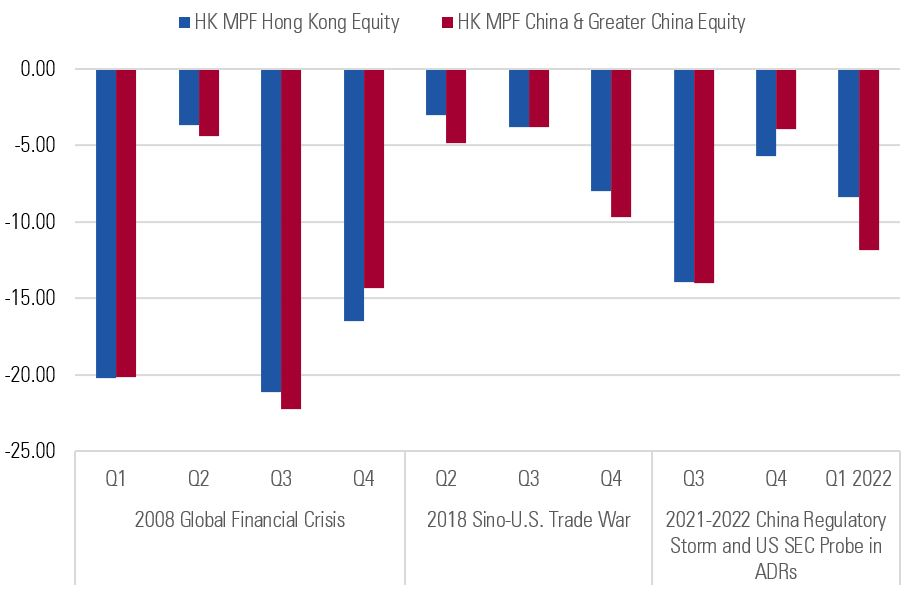
Index funds within the MPF system mirror the performance of market indices such as the Hang Seng Index or international benchmarks. The performance of these funds is directly linked to the performance of the underlying indices. When an index experiences growth, the MPF index funds tracking it generally show positive returns. Conversely, if the index declines, the value of the index funds also drops. Therefore, it is essential for investors to monitor the performance of the indices they are invested in to gauge the potential performance of their MPF funds.
One of the key advantages of MPF index funds is their cost-effectiveness. Index funds typically have lower management fees compared to actively managed funds because they aim to replicate, rather than outperform, the performance of an index. This lower cost structure can lead to higher net returns for investors over the long term, as fewer fees are deducted from the returns. Additionally, index funds provide broad market exposure and diversification, reducing the risk associated with investing in individual stocks. This diversification helps stabilize returns and can be especially beneficial for long-term retirement savings.
However, index funds are not immune to market volatility and economic fluctuations. The performance of an index, and consequently its associated MPF funds, can be influenced by various factors such as changes in interest rates, economic conditions, and geopolitical events. For instance, during periods of economic downturn or financial instability, indices can experience declines, affecting the performance of index funds. Investors must be aware of these external factors and consider their investment time horizon and risk tolerance when selecting MPF index funds.
To optimize MPF index fund performance, investors should adopt a strategic approach that includes regular review and adjustment of their portfolios. It is crucial to assess the historical performance of different indices, evaluate how they align with individual retirement goals, and make adjustments based on changing market conditions. Investors should also consider diversifying their investments across various indices to spread risk and enhance potential returns. By staying informed about market trends and periodically rebalancing their portfolios, investors can better manage risks and take advantage of growth opportunities within the MPF system.
In conclusion, MPF index performance is a critical factor in determining the growth of retirement savings within Hong Kong’s mandatory provident fund system. While index funds offer a cost-effective and diversified investment option, they are subject to market risks and economic fluctuations that can impact their performance. Understanding how different indices perform and adopting a strategic approach to portfolio management are essential for maximizing returns and achieving long-term retirement goals. By staying informed and making informed investment decisions, MPF investors can build a robust and resilient retirement portfolio that supports their financial security.