Interior design is more than just arranging 裝修公司 furniture or choosing paint colors; it’s about crafting a sanctuary that mirrors your unique lifestyle and preferences. Whether you’re starting from scratch or revitalizing an existing space, understanding the principles of interior decoration can help you create an environment that is both functional and aesthetically pleasing. This article explores innovative approaches to interior design, providing a fresh perspective on how to turn any room into a personalized haven.
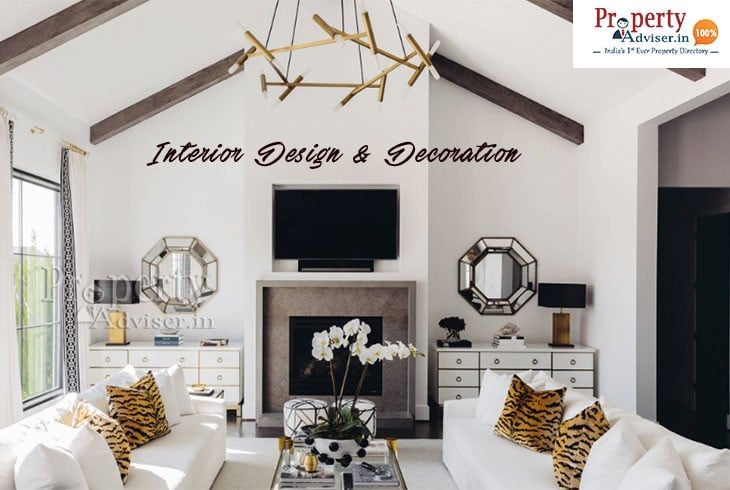
To begin with, the essence of effective interior design lies in understanding the unique character of each space. Begin by evaluating the room’s purpose and how it will be used. For example, a modern living room might be designed for both relaxation and social gatherings, necessitating a layout that balances comfort with style. Conversely, a dedicated workspace would benefit from a design focused on productivity and organization. By tailoring the design approach to the specific needs of the room, you can ensure that it serves its intended function while reflecting your personal taste.
Color plays a transformative role in interior decoration. The hues you choose can dramatically affect the mood and perception of a space. Opt for a monochromatic color scheme to create a sense of unity and calm, or use contrasting colors to inject energy and excitement. For instance, soft earth tones can make a space feel cozy and inviting, while bold, vibrant colors can energize and inspire. Incorporating color through paint, textiles, and accessories allows you to experiment with different palettes and find what best resonates with the ambiance you wish to achieve.
The arrangement of furniture and spatial layout are key components in optimizing the functionality of a room. Consider the flow of movement and how people will interact with the space. In smaller areas, multifunctional furniture, such as storage ottomans or expandable tables, can maximize utility without compromising on style. In larger rooms, creating distinct zones for different activities can help in managing the space more effectively. For example, a living area might feature a reading nook and a conversation area, each with its own distinct layout and furnishings.
Adding personal touches is where interior design truly becomes an expression of individuality. Incorporate elements that reflect your interests and experiences, such as artwork, family photographs, or travel souvenirs. These personal items can infuse a space with character and warmth, making it uniquely yours. Additionally, layering textures with rugs, throws, and cushions can enhance comfort and visual interest. Thoughtful selection of accessories and decorative objects allows you to create a space that feels authentic and engaging.
Finally, lighting is a crucial yet often overlooked element of interior design. The right lighting can highlight architectural features, set the mood, and enhance the overall ambiance of a room. Incorporate a mix of ambient, task, and accent lighting to create a balanced and dynamic environment. Dimmer switches and adjustable fixtures can provide flexibility, allowing you to alter the lighting according to the time of day or specific activities. Effective lighting not only enhances the functionality of a space but also contributes significantly to its overall aesthetic appeal.
In summary, interior design is an intricate process that combines functionality with personal expression. By carefully considering the purpose of each space, selecting appropriate colors, optimizing furniture arrangement, adding personal touches, and incorporating versatile lighting solutions, you can craft a sanctuary that truly reflects your style and enhances your quality of life. Embracing these innovative approaches can transform any room into a personalized retreat, offering both comfort and visual delight.