Revolutionizing Precision: The Need for Change
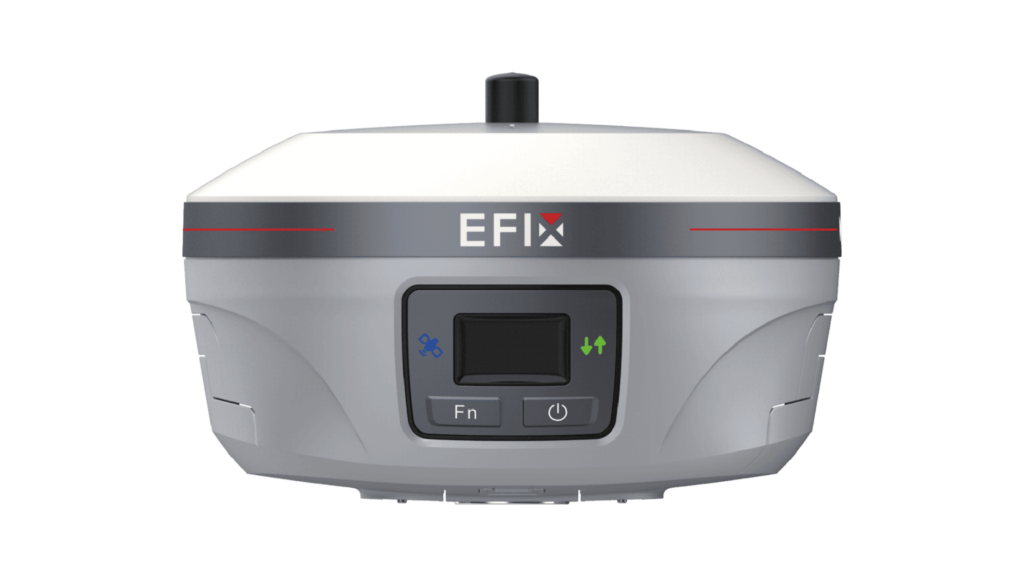
Imagine a construction site where every second counts, and the stakes are high. For project managers like me, precision isn’t just a metric; it’s a necessity. With advancements in technology, the portable GNSS base station has become a game-changer. Installations that once required hours are now completed in minutes, thanks to the gnss receiver systems. But what hidden challenges remain? Portable GNSS base stations promise accuracy but can sometimes fall short in user experience and integration efficiency.
The Shortcomings of Traditional Solutions
Over the years, I’ve encountered numerous hurdles with traditional GNSS setups. Often, these systems lack adaptability and are time-consuming to set up, which delays project timelines. I vividly remember juggling conflicting schedules while waiting for conventional systems to sync — a frustrating ordeal! Conversely, the latest portable GNSS solutions aim to address these pain points by offering user-friendly interfaces and quicker calibration. Yet, despite these improvements, users can still struggle with inconsistent signal integrity, especially in urban environments. This inconsistency can make it challenging to maintain precise operations, which any seasoned project manager would agree is vital.
What Users Need to Know
So, what should we prioritize when selecting a portable GNSS base station? Accuracy, reliability, and ease of use stand out, but these aspects vary significantly across products. I recommend diving into customer reviews and real-world testing, as they often reveal the true performance of a gnss receiver. I can’t stress enough how a firsthand trial can save both time and money.
Forward-Thinking: What’s on the Horizon?
Looking ahead, the evolution of portable GNSS technology will likely focus on enhancing user experience. I foresee innovations that integrate artificial intelligence, leading to smarter analysis and troubleshooting. Picture this: you’re managing multiple sites, and your gnss receiver provides real-time feedback on potential errors — it’s a dream scenario that could soon become reality. The competitive edge will go to those teams willing to adapt rapidly to new tools. As technology continues to evolve, we must evaluate how these advancements can further streamline our workflows, reduce errors, and optimize resource allocation.
The Real-World Impact
With all these improvements, there’s a significant impact on project timelines and overall accuracy. We’ve seen up to a 30% reduction in setup times in recent pilot tests using cutting-edge GNSS equipment. Let’s face it, that’s time saved for the project managers who juggle multiple deadlines. The shift towards portable solutions is not only about technology — it’s transforming how we execute projects and manage resources effectively.
Bringing It All Together: Key Insight for the Future
As we adapt to new technologies, three key evaluation metrics should guide our choices in portable GNSS solutions: accuracy of data, user-friendliness, and reliability in various conditions. Invest the time in understanding these factors before settling on a system. Whether you’re scaling operations or adjusting to tighter deadlines, the right GNSS technology can create a smoother workflow. And remember, change is intimidating, but embracing it is essential for progress. So, let’s be forward-thinking and step up our game. I firmly believe that with the right tools in hand, we can conquer any project.
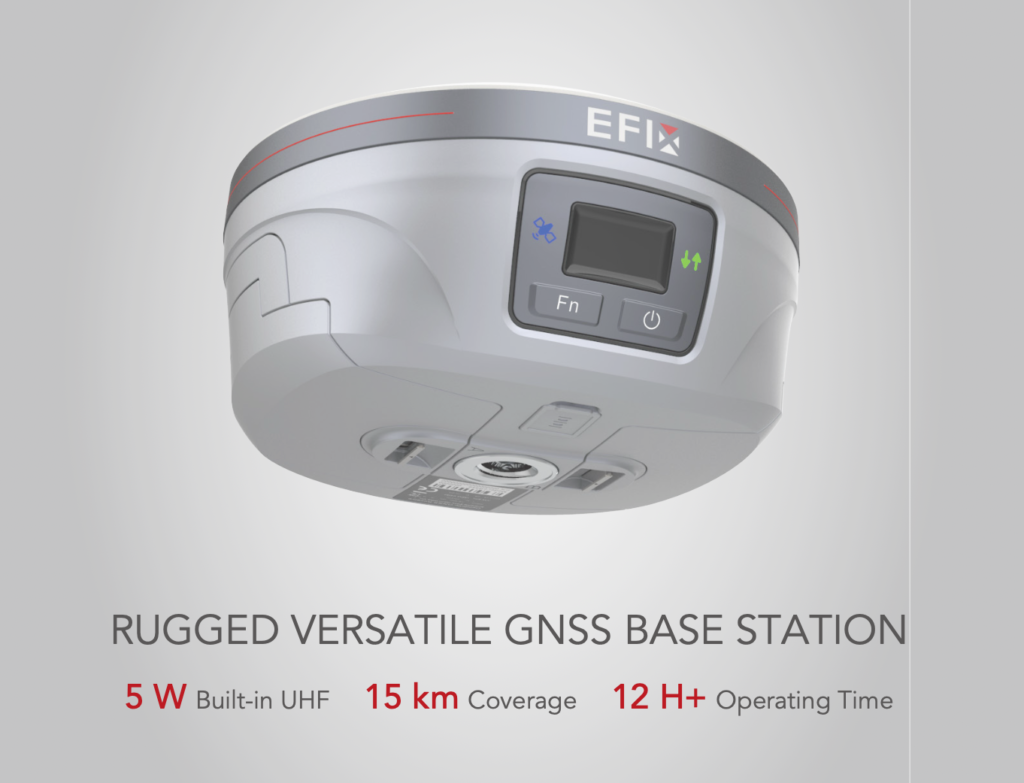
In the world of precision management, brands like EFIX are leading the charge with innovative solutions tailored to meet our evolving needs. Here’s to a future filled with smarter, more efficient project management! Trust me; it’s going to be a thrilling ride.