Diamonds have long been a symbol of luxury and wealth, but with the rise of synthetic and imitation stones, determining their authenticity has become crucial. A diamond tester diamond detector device is an essential tool used by jewelers and gemologists to differentiate genuine diamonds from fakes. This small yet powerful device works by measuring thermal or electrical conductivity, properties that distinguish diamonds from other gemstones. Whether you’re a professional jeweler or a curious buyer, understanding how a diamond tester functions can save you from costly mistakes.
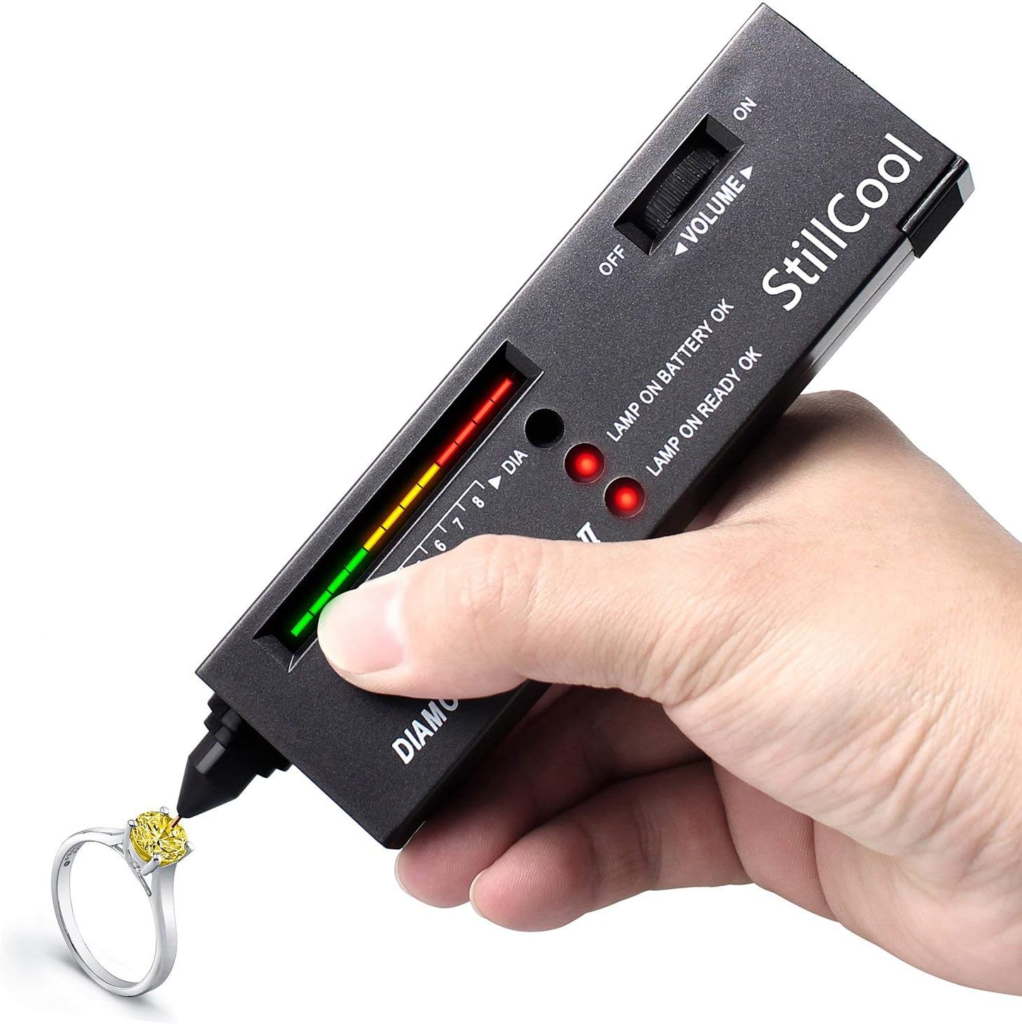
A thermal conductivity diamond tester is one of the most common types used in the market. Natural diamonds are excellent conductors of heat, which allows this tester to quickly identify authenticity. When the probe touches the stone, it measures how fast heat dissipates, providing an instant result. However, while these testers are effective for detecting many diamond simulants, they may not be foolproof against synthetic moissanite, a gemstone with similar thermal properties. Because of this limitation, jewelers often use an additional electrical conductivity tester for more accurate results.
Electrical conductivity testers offer a more advanced approach by measuring how well the stone conducts electricity. Unlike diamonds, moissanite conducts electricity efficiently, making this type of tester an essential tool for distinguishing between the two. The combination of thermal and electrical testing ensures greater accuracy, reducing the chances of misidentification. Advanced models even integrate both technologies into a single device, making the testing process faster and more reliable for professionals and consumers alike.
Despite their effectiveness, diamond testers do have limitations. Environmental factors, such as temperature and humidity, can influence readings, potentially leading to false results. Additionally, some high-quality synthetic diamonds, especially those created through chemical vapor deposition (CVD), may exhibit properties that closely mimic natural diamonds. For this reason, professional gemologists often rely on more sophisticated testing methods, such as UV light examination, spectroscopy, or x-ray analysis, to verify authenticity beyond what handheld testers can determine.
In conclusion, diamond testers serve as invaluable tools for quickly identifying genuine diamonds, but they should not be the sole method of verification. Whether using thermal or electrical conductivity tests, understanding their limitations is crucial for accurate assessments. For absolute certainty, professional laboratory testing remains the gold standard. As technology advances, diamond testers continue to improve, helping both industry professionals and consumers make informed decisions in the ever-evolving world of gemstones.